Brick Pavers vs. Concrete Pavers: Key Differences Explained
People searching for brick pavers or concrete pavers installation are typically looking to enhance their outdoor space, and local contractors can expertly handle the installation to meet their needs.
If you’re exploring options for enhancing your property's outdoor space, understanding the differences between brick pavers and concrete pavers is a practical first step. Property owners in the area often consider these materials for patios, walkways, and driveways, each offering distinct aesthetic and functional qualities. Knowing how they compare can help you make informed decisions that align with your style preferences, durability needs, and maintenance expectations. Local contractors specializing in paver installation are well-versed in these differences and can provide insights tailored to your specific project.
Continuing to learn about brick pavers versus concrete pavers can reveal which material best suits your property’s unique characteristics. Whether aiming for a timeless, classic look or seeking a more modern, versatile appearance, understanding key factors like durability, design options, and installation considerations can guide your choices. Connecting with experienced service providers in the area ensures that your project benefits from expert installation, helping your outdoor spaces look great and stand the test of time. Keep reading to discover more about these popular paver options and how local specialists can assist in bringing your vision to life.
- Brick pavers installation - ideal for homeowners seeking a classic, durable look for patios and walkways, with local contractors emphasizing craftsmanship and material selection.
- Concrete pavers installation - suitable for projects requiring a cost-effective, versatile surface, with local service providers focusing on precise placement and long-lasting results.
- Brick pavers installation - often chosen for decorative driveways and garden paths, with local pros prioritizing pattern design and material durability.
- Concrete pavers installation - preferred for large-scale commercial or residential surfaces needing quick installation and easy maintenance, with local contractors ensuring proper foundation work.
- Brick pavers installation - recommended when a traditional aesthetic is desired, with local service providers offering customized patterns and color options.
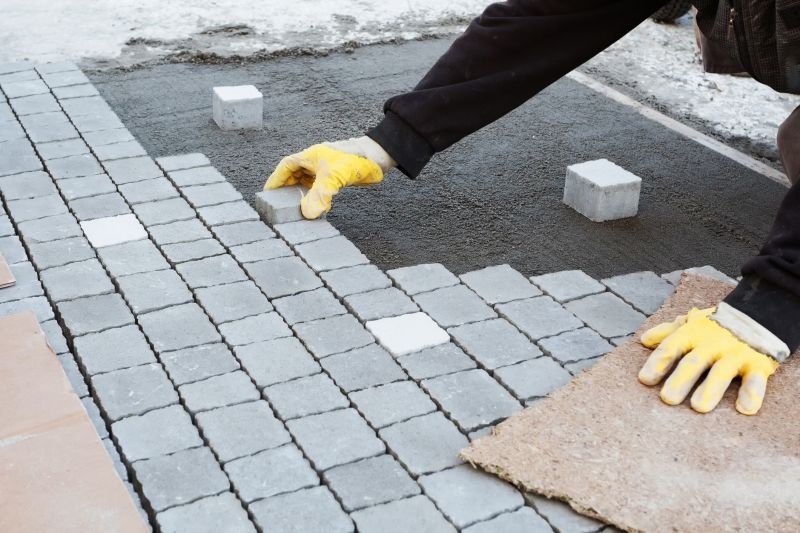
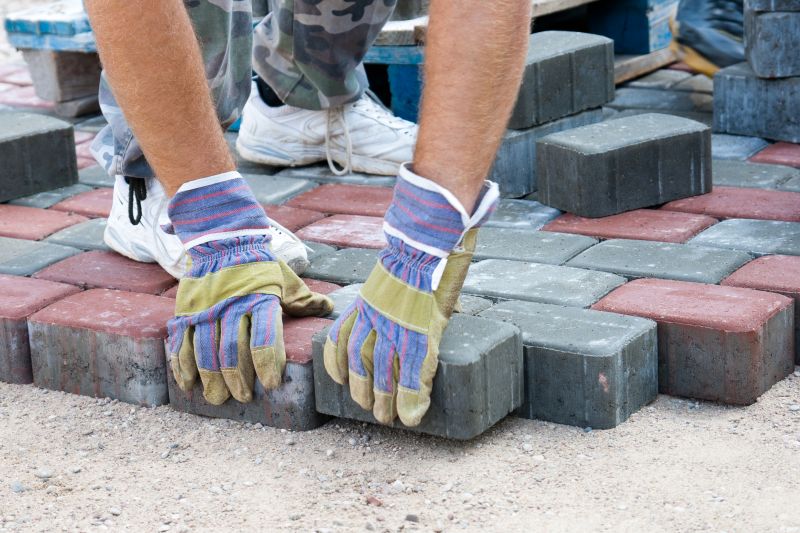
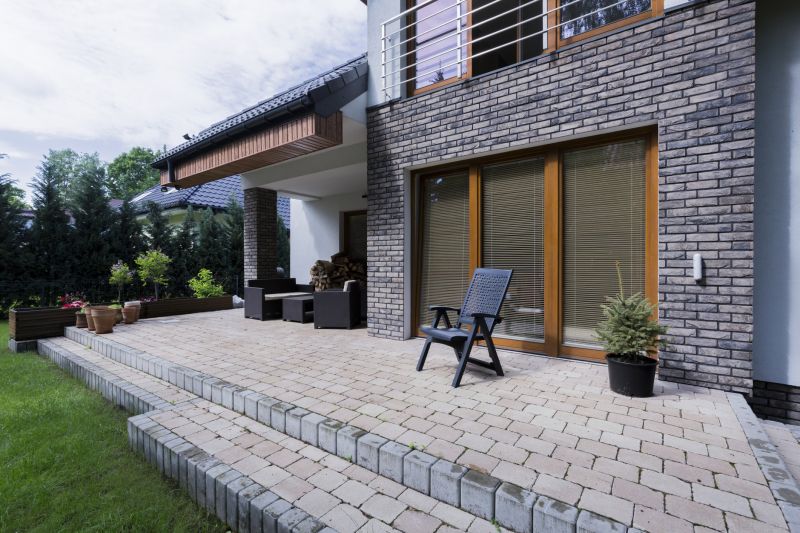
When homeowners search for information on brick pavers vs. concrete pavers, they are often exploring options for outdoor surfaces such as driveways, patios, walkways, or pool decks. These projects typically involve enhancing curb appeal, increasing property value, or creating functional outdoor living spaces. Many property owners want to understand the differences in materials, appearance, and durability to choose the best option for their specific needs. This topic is especially relevant for those planning to upgrade or install new paved areas, as well as for property managers overseeing multiple properties that require long-lasting, attractive surfaces.
The decision between brick pavers and concrete pavers often relates to common problems like cracking, uneven settling, or maintenance challenges. Homeowners may be considering these options to address issues with existing surfaces or to prevent future problems. For example, some might seek a more traditional, timeless look with brick pavers, while others might prefer the versatility and lower initial cost of concrete pavers. Both types of materials are suitable for various property types, including residential homes, commercial properties, and community spaces, but each has unique characteristics that influence their performance and appearance over time.
Properties that typically feature brick pavers or concrete pavers include single-family residences, multi-unit complexes, retail storefronts, and public parks. Residential properties often use pavers for driveways, patios, or walkways to add aesthetic appeal and durability. Commercial properties may choose pavers for outdoor dining areas or decorative pathways that withstand heavy foot traffic. The choice of material can significantly impact the overall look and longevity of these surfaces, making it important to consider the specific demands of each property type when planning a project.
Local contractors specializing in paver installation can help property owners navigate the differences between brick pavers and concrete pavers. They understand how each material performs under various conditions and can recommend options that match the property’s style, usage, and maintenance preferences. Whether selecting the classic appeal of brick or the versatility of concrete, these service providers can handle the installation process efficiently and ensure the finished surface meets the desired aesthetic and functional goals. Connecting with experienced local pros can make the decision process smoother and help achieve long-lasting, attractive results for any outdoor paving project.
Patio and walkway projects - local contractors experienced in paver installation can help design and install durable surfaces using brick or concrete pavers, considering their differences in style and longevity.
Driveway paving services - specialists in driveway construction understand the unique properties of brick versus concrete pavers and can recommend the best option for durability and aesthetic appeal.
Landscape design and hardscaping - skilled service providers can incorporate paver materials into broader landscape plans, taking into account the key differences between brick and concrete options.
Pool deck installations - local pros knowledgeable about paver materials can ensure safe, slip-resistant surfaces that match the specific characteristics of brick or concrete pavers.
Outdoor stairway construction - experts in paver installation can craft stairs that utilize the strengths of either brick or concrete pavers for stability and visual harmony.
Retaining wall projects - contractors familiar with paver materials can integrate brick or concrete pavers into retaining walls, considering their structural and aesthetic differences.
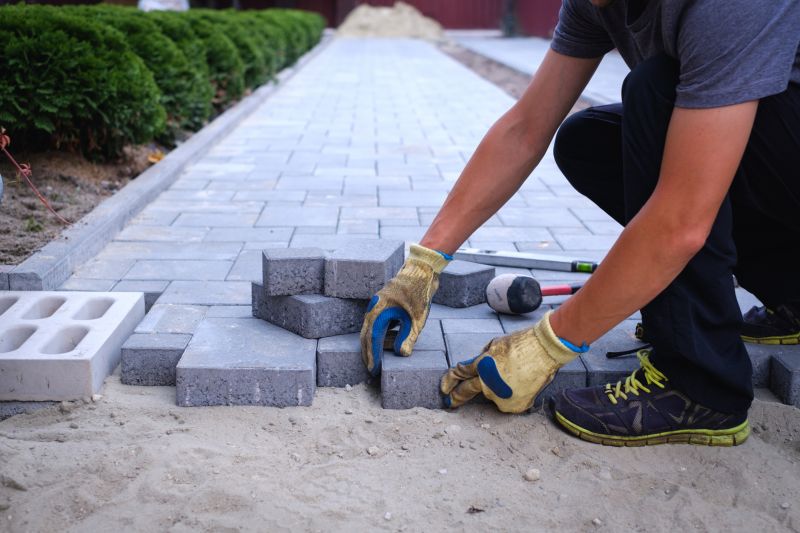
When evaluating contractors for brick pavers versus concrete pavers installation, it’s important to consider their experience with similar projects. Homeowners should inquire about the types of paving projects the service providers have completed in the past, paying attention to whether they have worked with both brick and concrete materials. A contractor with a proven track record in installing the specific type of pavers desired can offer insights into potential challenges and best practices, ensuring the finished product meets expectations. Reputable local contractors will be able to provide clear examples of their previous work, demonstrating familiarity with the unique characteristics and installation requirements of each material.
Clear, written expectations are essential when comparing service providers for paver installation. Homeowners should seek detailed proposals that outline the scope of work, materials to be used, and the installation process, including any preparatory steps or finishing touches. This helps prevent misunderstandings and ensures that all parties are aligned on project goals. Local contractors who are transparent and thorough in their communication can make the decision process easier, providing confidence that the project will be managed professionally and according to agreed-upon standards.
Reputable references and effective communication are key indicators of a reliable service provider. Homeowners are encouraged to ask for references from previous clients who had similar paver projects completed, especially those involving brick or concrete pavers. Speaking with past customers can reveal insights into the contractor’s reliability, attention to detail, and ability to handle project-specific considerations. Good communication throughout the process-whether in answering questions, providing updates, or clarifying expectations-helps ensure a smooth installation experience. Choosing local contractors known for their professionalism and responsiveness can contribute to a successful project outcome, whether installing brick pavers or concrete pavers.
Get a Quote for Brick Pavers Or Concrete Pavers Installation
Property owners often search for brick pavers vs. concrete pavers: key differences explained when they are planning practical projects around their homes and businesses. Local pros provide Brick Pavers or Concrete Pavers Installation services for everyday jobs and straightforward project options.
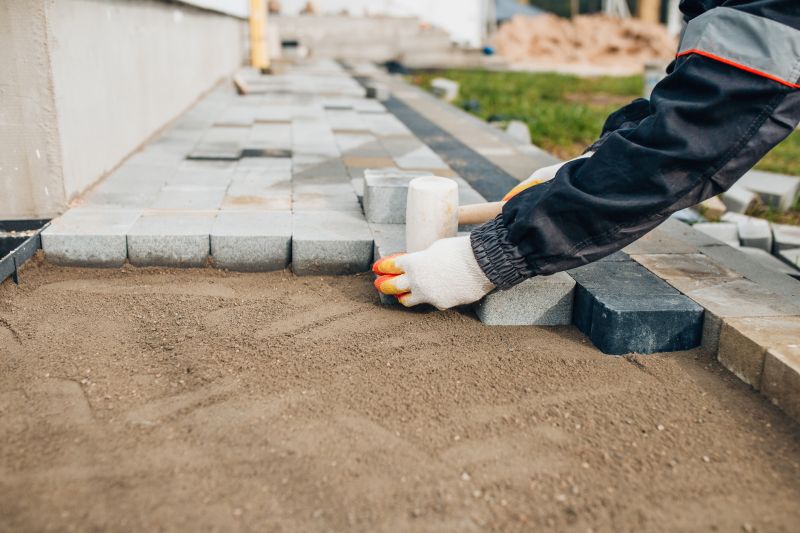
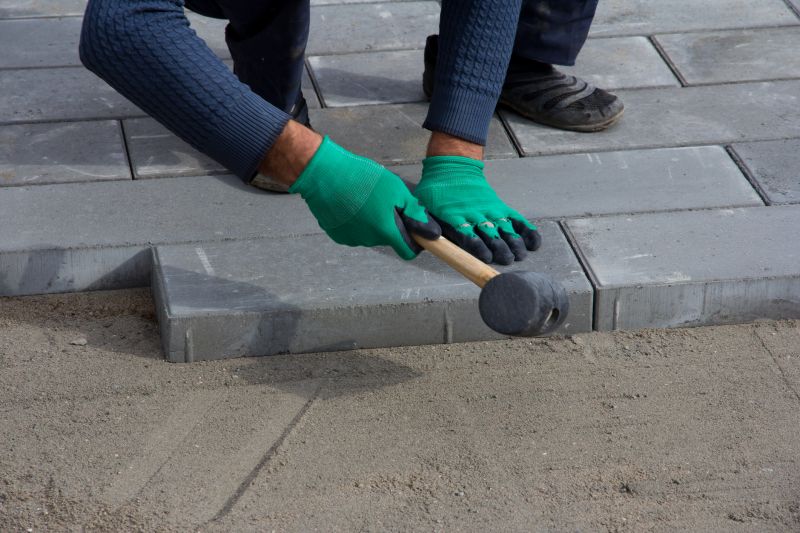
Understanding the differences between brick pavers and concrete pavers can help property owners make informed decisions for their outdoor projects. Brick pavers are known for their classic appearance and durability, making them a popular choice for patios, walkways, and driveways that aim for a timeless look. On the other hand, concrete pavers offer a versatile and often more affordable option, with a wide range of shapes, sizes, and colors to suit various design preferences. Homeowners in the area researching this topic may be considering these materials to enhance curb appeal or improve outdoor functionality, and consulting local contractors can provide valuable insights into which option best fits their specific needs.
Choosing between brick pavers and concrete pavers often depends on factors like style, maintenance, and longevity. Local service providers can assist property owners by offering expert installation services that ensure the chosen material performs well over time. Whether someone prefers the traditional charm of brick or the adaptable nature of concrete, experienced local contractors can help evaluate the project scope and recommend the best material choice. Connecting with these professionals can make the process of upgrading outdoor spaces more straightforward and tailored to individual property features and personal preferences.
Get a Quote for Brick Pavers Or Concrete Pavers Installation
What are the main visual differences between brick pavers and concrete pavers? Brick pavers typically have a classic, textured appearance with warm tones, while concrete pavers often feature a smoother surface and can be molded into various shapes and colors. Local contractors can help choose the style that best complements the property’s aesthetic.
How do the durability and longevity of brick pavers compare to concrete pavers? Brick pavers are known for their durability and can last for decades with proper installation, whereas concrete pavers are also durable but may be more prone to cracking over time. Local service providers can advise on which material suits specific usage conditions.
Are there differences in installation methods between brick and concrete pavers? Yes, brick pavers generally require a more precise base preparation to prevent shifting, while concrete pavers are often easier to install with quicker setting times. Local pros are experienced in installing both types effectively.
What maintenance considerations are associated with brick versus concrete pavers? Brick pavers may require occasional re-sanding and sealing to maintain appearance, while concrete pavers might need less frequent upkeep but can be more susceptible to staining. Local contractors can provide guidance on maintenance needs.
Which type of paver is better suited for different climate conditions? Brick pavers perform well in moderate climates and can handle freeze-thaw cycles, while concrete pavers are versatile but may require additional sealing in colder regions. Local service providers can recommend the best option based on local climate factors.
Durability considerations - Property owners can choose between brick and concrete pavers based on the expected foot traffic and weather conditions, with local contractors providing guidance on long-lasting options.
Design flexibility - Homeowners interested in unique patterns or custom colors can work with local service providers to create personalized layouts using either brick or concrete pavers.
Installation environment - Those planning outdoor spaces in areas prone to shifting or settling can consult local pros to select the best paver type for a stable, even surface.
Maintenance needs - Property owners seeking low-maintenance solutions can explore options with local contractors to find pavers that require minimal upkeep over time.
If you are thinking about brick pavers vs. concrete pavers: key differences explained for a property, this guide is meant to help you understand this topic, the typical project types, and how different options might fit your plans.
When you are ready, you can use the quote form on this page to share a few details about your project. From there, local pros can review the basics and follow up with options that match what you have in mind.
Get a Quote for Brick Pavers Or Concrete Pavers Installation